

17 Sep, 2026
Shopify vs WooCommerce vs Custom E-commerce
#InventoryManagement
#StockManagement
#BusinessEfficiency
#SupplyChainManagement
Post By : Ocean Infotech
Published : 16-07-2026
What Is Smart Inventory Management?
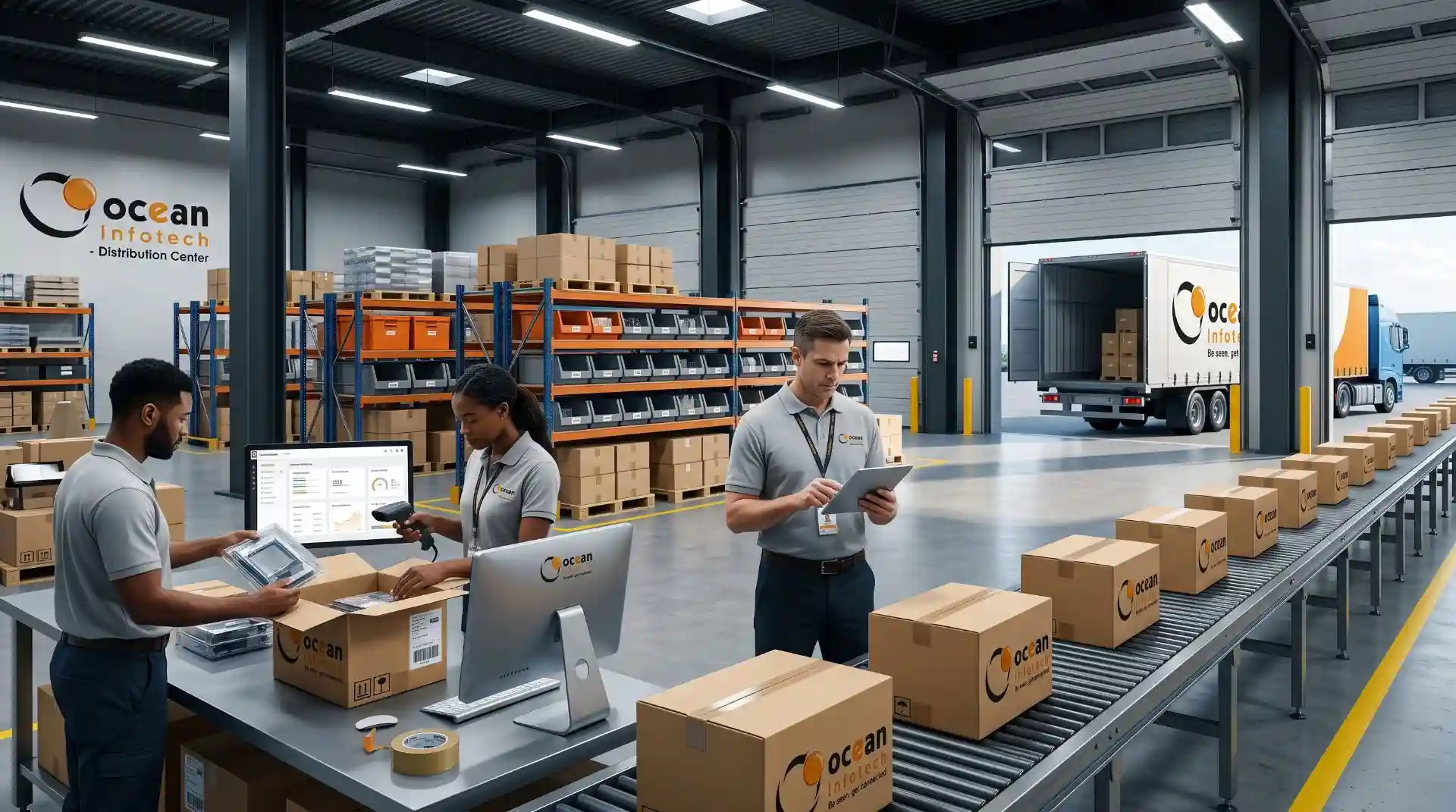
★ In today's fast-moving business environment, inventory is far more than products stored in a warehouse—it's one of the most valuable assets an organization owns. Whether you're a manufacturer, wholesaler, distributor, retailer, or e-commerce business, effective inventory management directly influences profitability, customer satisfaction, operational efficiency, and long-term business growth.
Many businesses still depend on spreadsheets, disconnected software, or manual inventory tracking. While these methods may be sufficient during the early stages of growth, they often become inefficient as operations expand, resulting in delayed decision-making, stock shortages, overstocking, inaccurate reporting, and unnecessary operational expenses.
★ Why Smart Inventory Management Matters: Powered by a modern ERP (Enterprise Resource Planning) system, smart inventory management provides complete visibility into inventory movement, automates routine processes, and enables faster, data-driven decision-making. Instead of simply monitoring stock levels, it helps optimize every stage of the supply chain—from purchasing and production to warehousing, distribution, and customer delivery.
As businesses continue to grow and customer expectations increase, intelligent inventory management has become a strategic investment that improves productivity, reduces costs, and builds a strong foundation for sustainable business success.
Why Traditional Inventory Management Falls Short
★ What Is Smart Inventory Management? Smart inventory management is the process of monitoring, controlling, and optimizing inventory using real-time data, automation, and integrated business systems. It enables businesses to maintain accurate stock levels, improve operational efficiency, and make faster, data-driven decisions.
A Modern ERP System Connects Inventory With:
✔ Purchasing Management
✔ Sales Operations
✔ Production Planning
✔ Warehouse Management
✔ Finance & Accounting
✔ Customer Order Management
✔ Supply Chain Management
★ One Centralized Source of Truth: Unlike traditional inventory systems that rely on manual updates and disconnected records, an ERP-powered inventory solution provides every department with the same real-time information. This eliminates data inconsistencies, improves collaboration, reduces errors, and helps organizations respond quickly to changing business demands.
The Business Impact of Poor Inventory Management
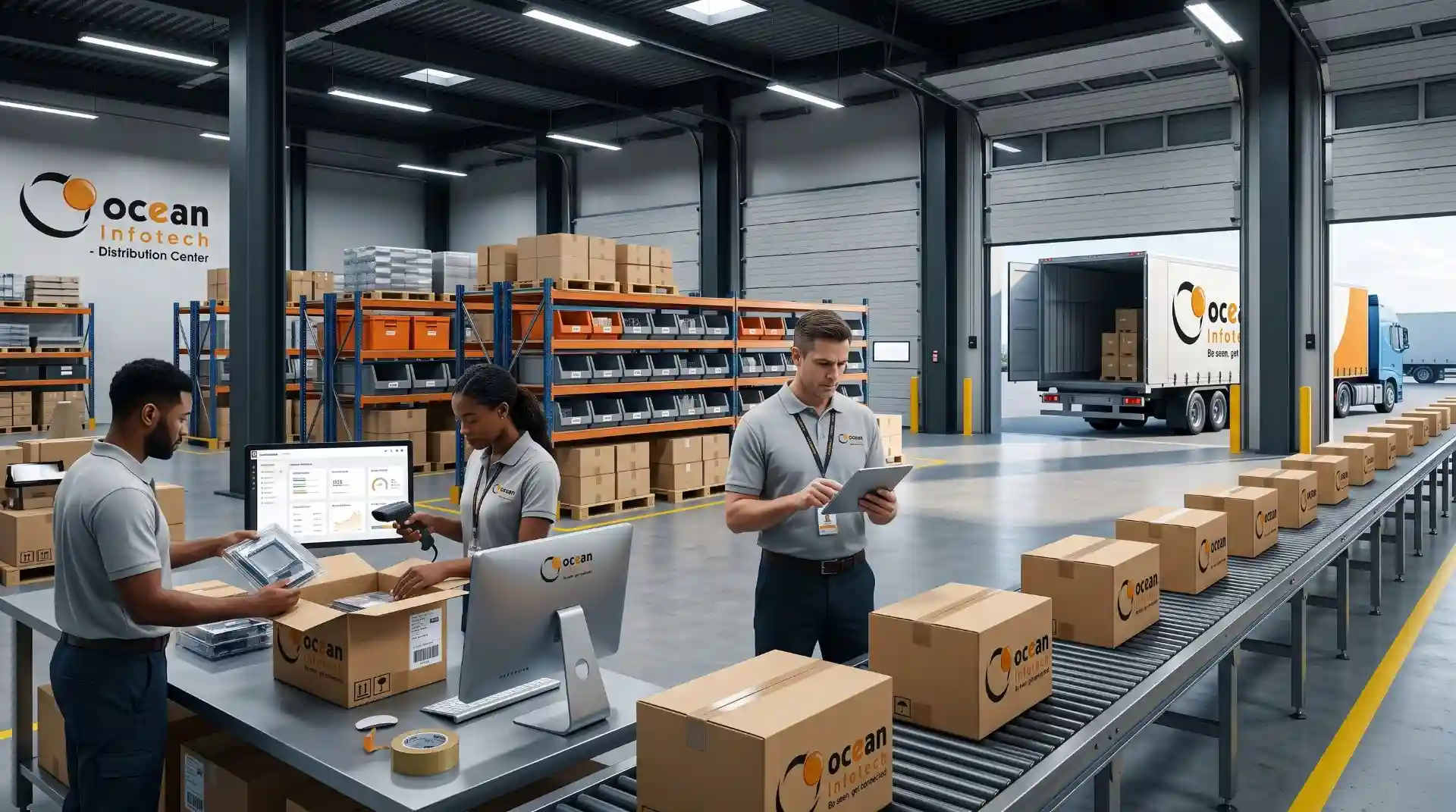
★ Challenges of Traditional Inventory Management: Many growing businesses start with spreadsheets or basic inventory software to manage stock. While these tools may be sufficient for simple operations, they often become inefficient as inventory volumes increase and business processes become more complex.
Common Inventory Management Challenges Include:
✔ Inaccurate Stock Levels
✔ Duplicate Data Entry
✔ Delayed Inventory Updates
✔ Overstocking or Stock Shortages
✔ Time-Consuming Manual Reporting
✔ Difficulty Managing Multiple Warehouses
✔ Slow Purchasing and Reordering Decisions
✔ Limited Visibility Across Departments
★ The Business Impact: Without accurate, real-time inventory data, businesses spend valuable time verifying stock information instead of making strategic decisions. This can lead to operational inefficiencies, increased costs, delayed customer deliveries, and missed opportunities for growth.
How ERP Transforms Inventory Management
★ Why Inventory Mistakes Impact Your Entire Business: Inventory errors don't just affect warehouse operations—they create problems across sales, production, finance, and customer service. Poor inventory control reduces operational efficiency and directly impacts business growth.
Common Business Impacts of Poor Inventory Management:
✔ Lost Sales: When products are out of stock, customers often purchase from competitors.
✔ Excess Inventory: Holding unnecessary stock increases storage costs and ties up valuable working capital.
✔ Production Delays: Manufacturing schedules are disrupted when essential raw materials are unavailable.
✔ Higher Operational Costs: Manual inventory processes increase labor expenses and reduce overall efficiency.
✔ Poor Customer Experience: Late deliveries and inaccurate stock information reduce customer satisfaction and trust.
★ Long-Term Business Consequences: Over time, poor inventory management affects profitability, cash flow, operational performance, and brand reputation. Implementing a modern inventory management solution helps businesses maintain accurate stock levels, improve decision-making, and deliver a better customer experience.
Why Cloud ERP Is Changing Inventory Management?

★ How Modern ERP Transforms Inventory Management: A modern ERP system replaces fragmented inventory processes with a single, centralized platform. Instead of different departments maintaining separate records, every inventory transaction is automatically synchronized across the entire organization.
Key Features of Modern ERP Inventory Management:
✔ Real-Time Stock Visibility
✔ Barcode & QR Code Tracking
✔ Batch & Serial Number Management
✔ Multi-Warehouse Inventory Control
✔ Automated Stock Alerts & Notifications
✔ Smart Purchase Planning
✔ Demand Forecasting
✔ Inventory Valuation
✔ Production Material Tracking
✔ Comprehensive Inventory Reporting
★ The Business Advantage: Every purchase, production order, warehouse transfer, and sales transaction updates inventory levels instantly, creating a single source of truth. With accurate, real-time inventory data, businesses can improve operational efficiency, make faster decisions, reduce inventory errors, and optimize overall supply chain performance.
How Ocean ERP Simplifies Inventory Management?
★ Why Cloud ERP Is Changing Inventory Management: Cloud-based ERP solutions have transformed the way businesses manage inventory by eliminating the need for local servers and office-based software. Teams can securely access real-time inventory data from anywhere, enabling faster collaboration and more informed decision-making.
Key Benefits of Cloud ERP for Inventory Management:
✔ Secure Remote Access from Anywhere
✔ Automatic Data Backups
✔ Enhanced Data Security
✔ Faster Software Updates & Maintenance
✔ Easy Business Scalability
✔ Multi-Location & Multi-Warehouse Management
✔ Reduced IT Infrastructure & Maintenance Costs
★ The Business Advantage: Cloud ERP provides the flexibility to manage inventory across multiple warehouses, branches, or manufacturing facilities from a single platform. With real-time access, improved security, and lower infrastructure costs, businesses can operate more efficiently while supporting future growth.
The Future of Inventory Management
★ Why Choose Ocean ERP for Inventory Management: At Ocean Infotech, we understand that every business has unique inventory processes. Whether you're a manufacturer, distributor, retailer, or trading company, Ocean ERP is built to streamline inventory management while seamlessly connecting purchasing, sales, production, finance, and warehouse operations on a single platform.
Key Capabilities of Ocean ERP:
✔ Real-Time Inventory Tracking
✔ Multi-Location Warehouse Management
✔ Purchase & Sales Integration
✔ Production Inventory Monitoring
✔ Barcode-Enabled Stock Management
✔ Automated Inventory Reports
✔ Smart Stock Alerts & Notifications
✔ Role-Based User Access Control
✔ Comprehensive Business Dashboards
★ The Ocean ERP Advantage: By connecting every department through a unified ERP platform, Ocean ERP eliminates manual processes, improves inventory accuracy, enhances operational visibility, and enables faster, data-driven business decisions. The result is greater efficiency, lower operational costs, and sustainable business growth.
Conclusion
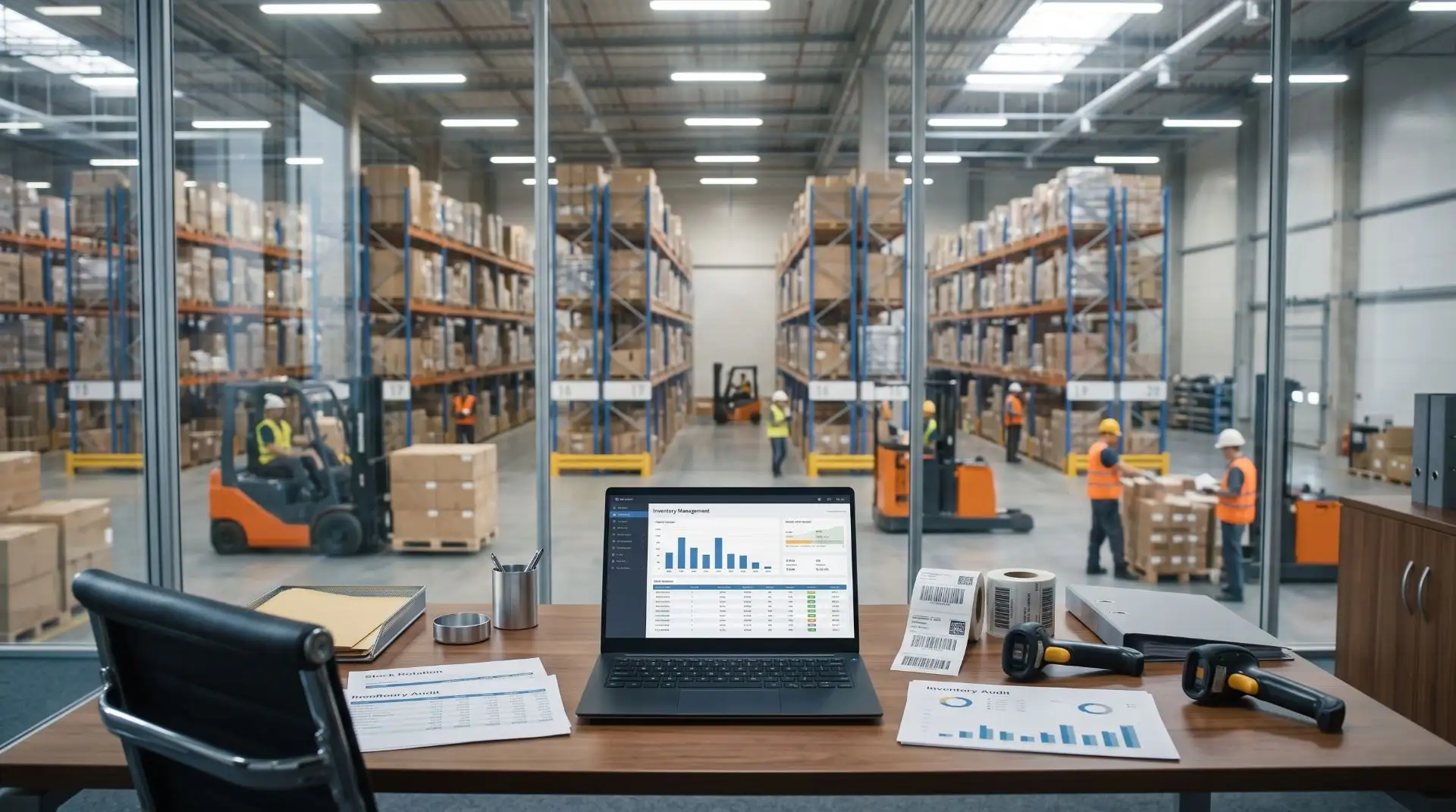
★ The Future of Inventory Management: As businesses continue to embrace digital transformation, inventory management is becoming smarter, faster, and more intelligent. Modern technologies are enabling organizations to automate operations, improve forecasting accuracy, and make proactive business decisions based on real-time data.
Emerging Technologies Shaping Modern Inventory Management:
✔ Artificial Intelligence (AI) for Smart Decision-Making
✔ Predictive Analytics for Accurate Demand Forecasting
✔ IoT-Enabled Real-Time Inventory Tracking
✔ Intelligent Business Process Automation
✔ Optimized Stock Level Management
✔ Faster Response to Market Demand Changes
✔ Data-Driven Business Insights & Reporting
★ Preparing for Future Growth: Businesses that invest in modern ERP solutions today are better equipped to scale operations, improve inventory accuracy, enhance customer satisfaction, and stay competitive in an increasingly digital marketplace. By adopting intelligent inventory management, organizations can build a stronger, more resilient future.
★ Conclusion: Inventory management is no longer just about tracking stock levels—it's about ensuring the right products are available in the right place at the right time while minimizing costs and maximizing customer satisfaction. Businesses that adopt intelligent inventory management gain greater control over operations and a significant competitive advantage.
★ Why Modern ERP Matters: A modern ERP system transforms inventory from a basic warehouse function into a strategic business asset. With real-time visibility, automated workflows, intelligent planning, and seamless integration across departments, organizations can improve efficiency, reduce operational waste, and make faster, data-driven decisions.
★ Take the Next Step: If your business is still relying on spreadsheets, disconnected systems, or manual inventory processes, now is the ideal time to modernize. Investing in a smart ERP solution like Ocean ERP helps businesses streamline operations, improve inventory accuracy, support future growth, and build a more efficient, scalable, and future-ready organization.
Fillter
Latest News


_5.webp)


Comments