

17 Sep, 2026
Shopify vs WooCommerce vs Custom E-commerce
#BusinessGrowth
#TechTrends2026
#CloudERP
#DigitalBusiness
Post By : Ocean Infotech
Published : 20-06-2026
Major ERP Trends Driving the Future
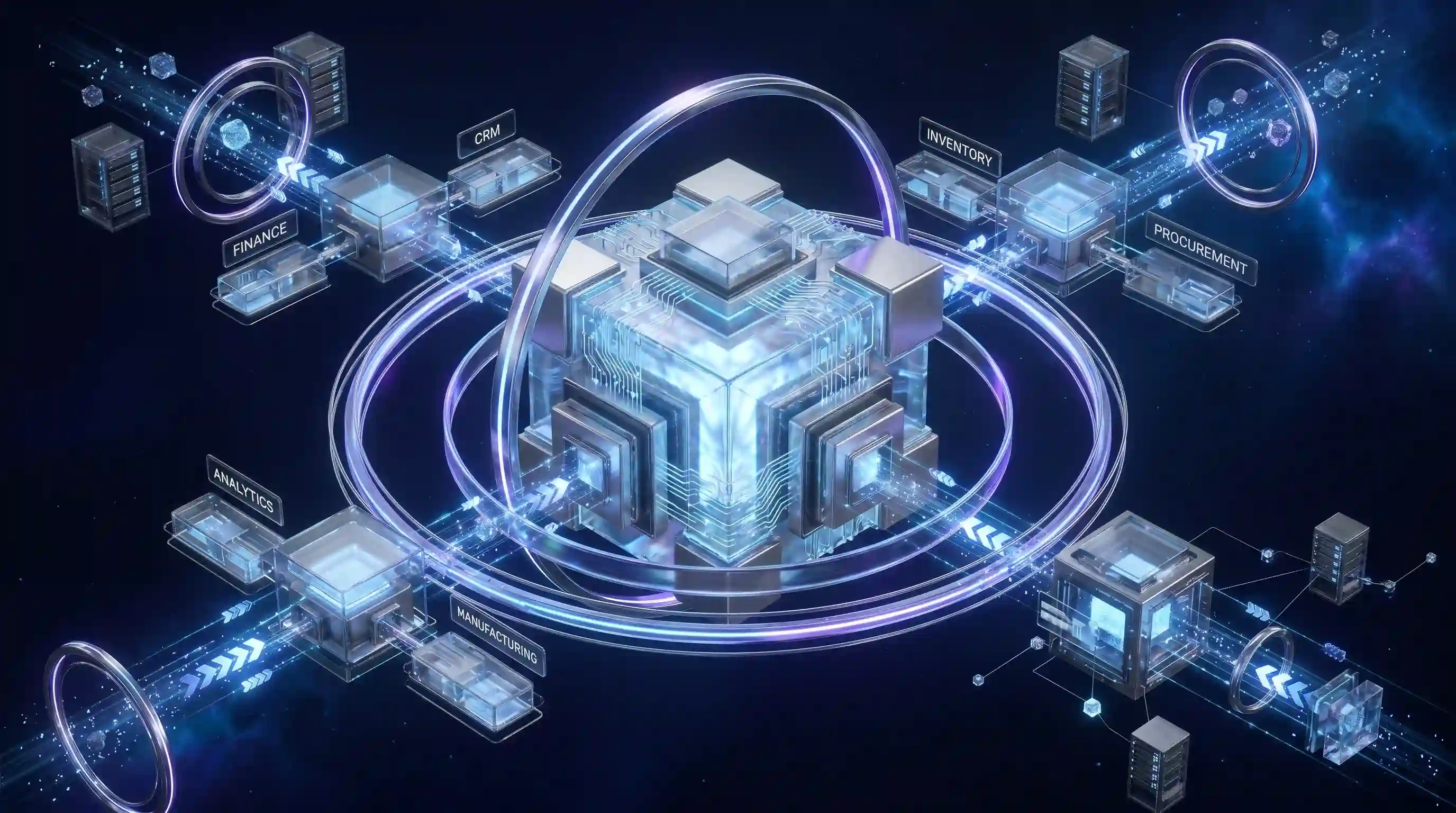
★ Enterprise Resource Planning (ERP) platforms have evolved from simple back-office management systems into comprehensive business solutions that support finance, operations, sales, customer engagement, supply chain management, and strategic decision-making. Modern ERP platforms increasingly leverage artificial intelligence, automation, and cloud technology to improve efficiency, reduce operational costs, and provide organizations with real-time insights.
★ As businesses continue their digital transformation journeys, ERP adoption is accelerating worldwide. Industry forecasts indicate that global ERP software spending is expected to surpass $100 billion in 2026, reflecting its growing importance in modern business operations.
★ AI-Powered Cloud ERP: Cloud-based ERP has become the preferred choice for organizations due to its flexibility, scalability, lower infrastructure costs, and rapid deployment capabilities. The next stage of ERP evolution is the deep integration of artificial intelligence. Modern AI-enabled ERP platforms can analyze data from multiple departments, automate repetitive processes, optimize procurement decisions, identify operational risks, and provide intelligent recommendations.
★ Two-Tier ERP Strategies: Large organizations are increasingly adopting a two-tier ERP model. Headquarters operates a primary enterprise ERP system while subsidiaries or regional divisions utilize separate cloud-based systems tailored to local requirements. This ensures centralized control with operational flexibility.
.webp)
★ Digital Transformation Through ERP: ERP systems are now central to digital transformation initiatives. Organizations use them to automate workflows, improve collaboration, and enhance decision-making through AI-driven assistants, real-time analytics, and predictive insights.
★ Integration with Emerging Technologies: Modern ERP systems integrate seamlessly with IoT, ecommerce platforms, warehouse automation systems, supply chain tools, and customer engagement platforms.
Future ERP Developments
★ Greater Personalization and Flexibility: Modern ERP solutions offer low-code and no-code customization, allowing businesses to configure workflows, dashboards, and reports without complex coding.
★ Agentic AI and Intelligent Automation: AI agents can independently analyze data, execute tasks, and support operations such as recruitment, scheduling, procurement, and customer service automation.
★ Advanced Predictive Analytics and Mobile ERP: ERP systems now enable predictive forecasting, risk detection, and mobile access for real-time reporting, approvals, and remote workforce support.
Looking Ahead
★ Autonomous ERP Systems: As AI technology matures, ERP platforms are expected to become increasingly autonomous, handling complex operational decisions with minimal human intervention. These systems will reduce manual dependency, improve decision accuracy, and enable real-time business responsiveness.
★ Blockchain-Enabled Transparency: Blockchain integration could improve security, traceability, and compliance by creating immutable records for financial transactions and supply chain activities. This ensures higher trust, auditability, and fraud prevention across enterprise operations.
★ Composable ERP Architectures: Future ERP solutions will emphasize modularity, allowing organizations to assemble capabilities through prebuilt integrations, third-party applications, and specialized services. This composable approach provides greater flexibility and faster innovation.
★ Open Integration Standards: Open standards will become increasingly important as organizations seek seamless connectivity between ERP systems and broader digital ecosystems. This will enable smoother data exchange, better interoperability, and reduced integration complexity across platforms.
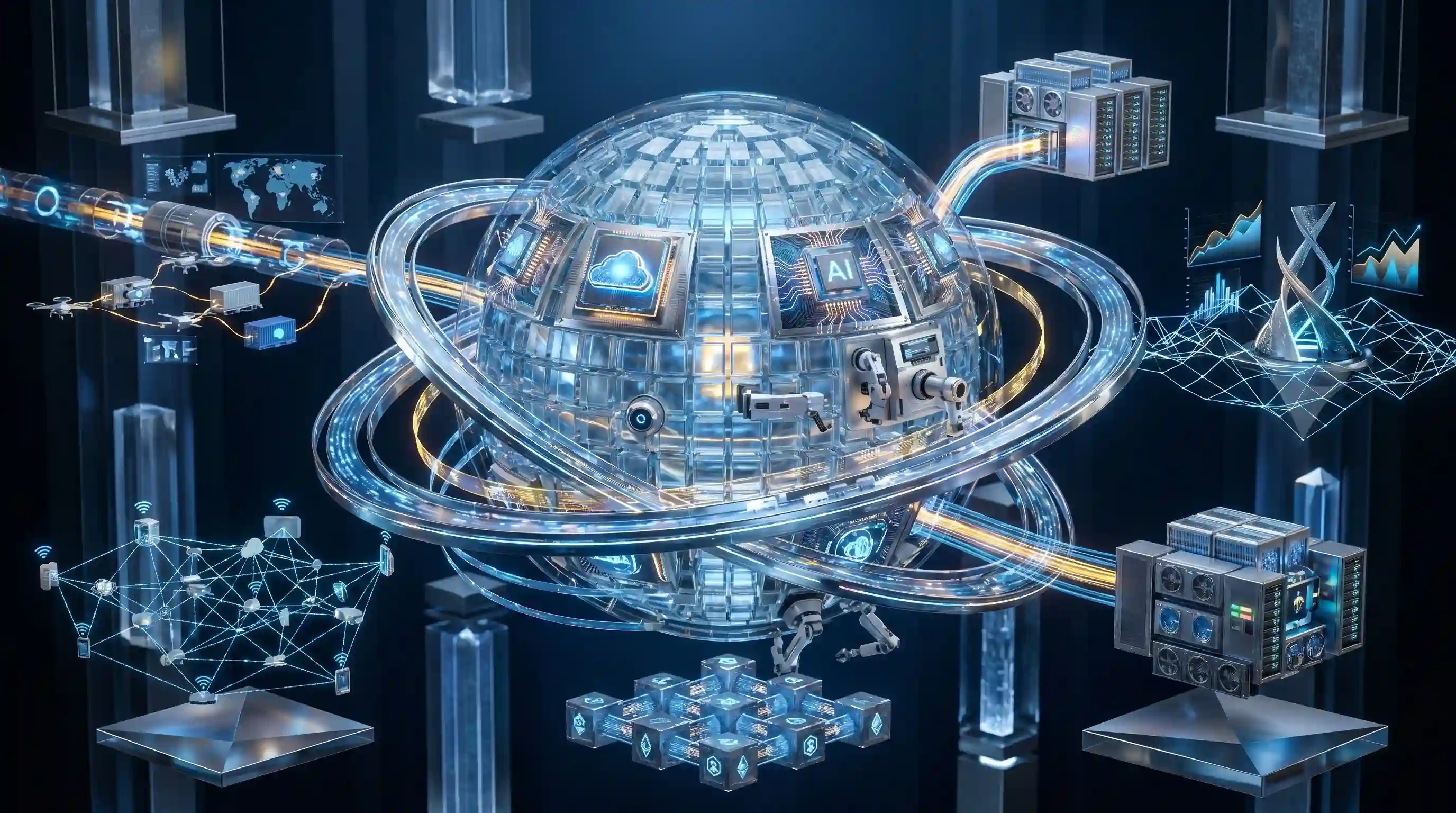
★ ERP technology is rapidly transforming from a system of record into a system of intelligence. Artificial intelligence, automation, predictive analytics, and advanced integrations are enabling organizations to operate more efficiently, respond faster to market changes, and create better customer experiences.
★ Businesses that embrace next-generation ERP capabilities will be better positioned to improve operational performance, accelerate growth, and maintain a competitive advantage in an increasingly digital world.
Fillter
Latest News

_5.webp)


Comments