

17 Sep, 2026
Shopify vs WooCommerce vs Custom E-commerce
#CustomSoftware
#ERP
#CRM
#Innovation
Post By : Ocean Infotech
Published : 01-07-2026
What is AI-Native Architecture?
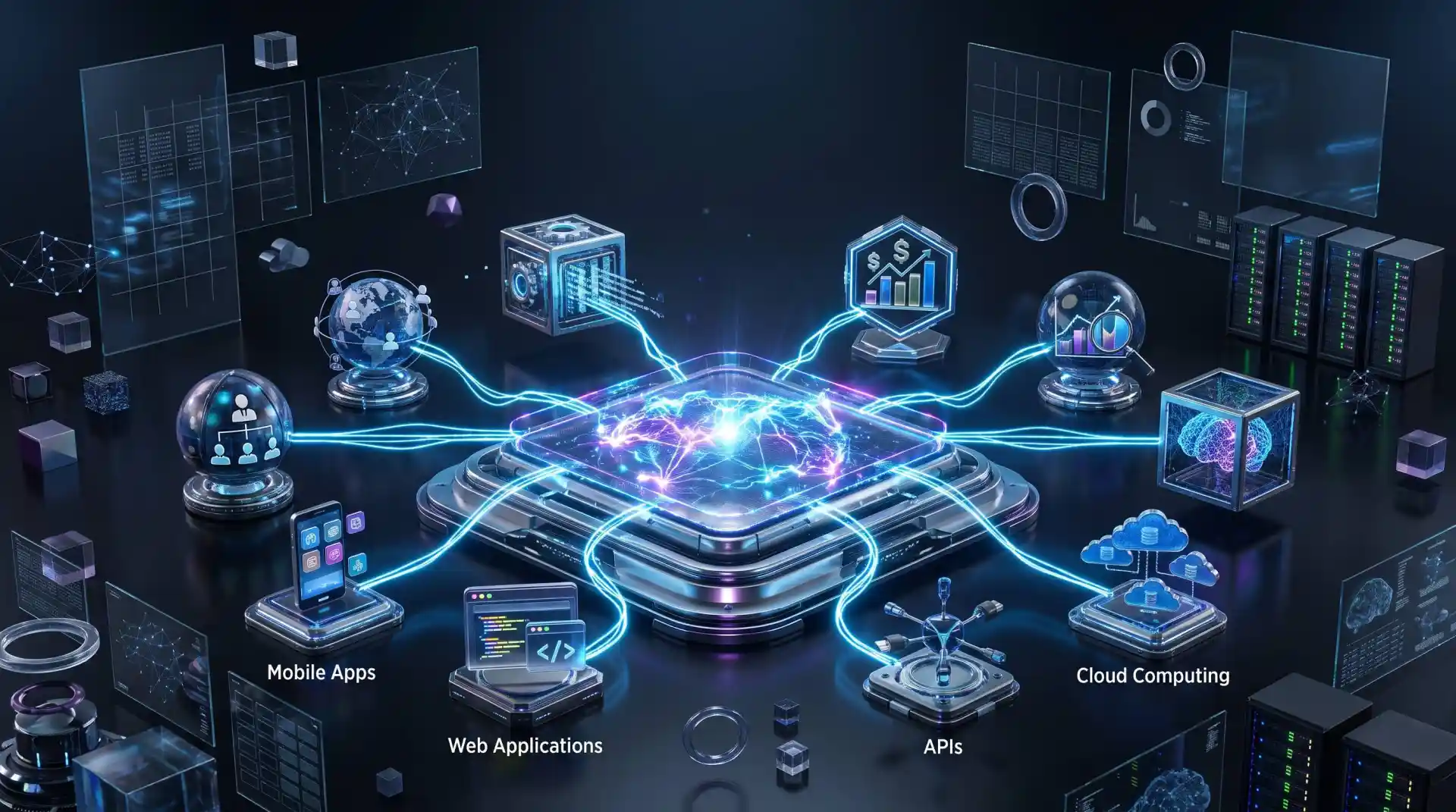
Technology has always evolved rapidly, but the rise of Artificial Intelligence (AI) is redefining software development faster than any previous innovation.
Businesses are no longer satisfied with applications that simply perform tasks—they expect software to think, adapt, and deliver personalized experiences.
This shift has given rise to AI-native architecture, a modern approach where artificial intelligence is integrated into the foundation of an application rather than added as an afterthought.
Whether it's a customer-facing mobile app, an enterprise ERP system, or a SaaS platform, AI is becoming a core part of how software is designed, developed, and experienced.
In this article, we'll explore what AI-native architecture is, why it matters, and how it's shaping the future of digital products.
From Static Applications to Intelligent Experiences
AI works alongside every layer of the software—from the user interface and business logic to automation and decision-making.
This allows applications to:
- Understand user behavior and preferences.
- Automate repetitive tasks.
- Generate intelligent recommendations.
- Predict future actions based on historical data.
- Continuously improve user experiences through learning.
The result is software that doesn't just respond to user input—it actively assists users in achieving their goals.
The Rise of Agentic User Interfaces
Traditional software presents the same interface and workflow to every user. While functional, this one-size-fits-all approach often creates unnecessary steps and reduces efficiency.
AI-native applications are designed to be adaptive.
Imagine a sales executive logging into a CRM system. Instead of navigating through multiple dashboards, the application can automatically display high-priority leads, upcoming follow-ups, recent customer interactions, and AI-generated recommendations for the next best action.
Similarly, an HR manager may immediately see recruitment updates, pending approvals, and workforce insights based on their daily responsibilities.
By understanding context and user intent, modern applications become more intuitive, helping users complete tasks faster with less effort.
Why Businesses Are Investing in AI-Native Applications
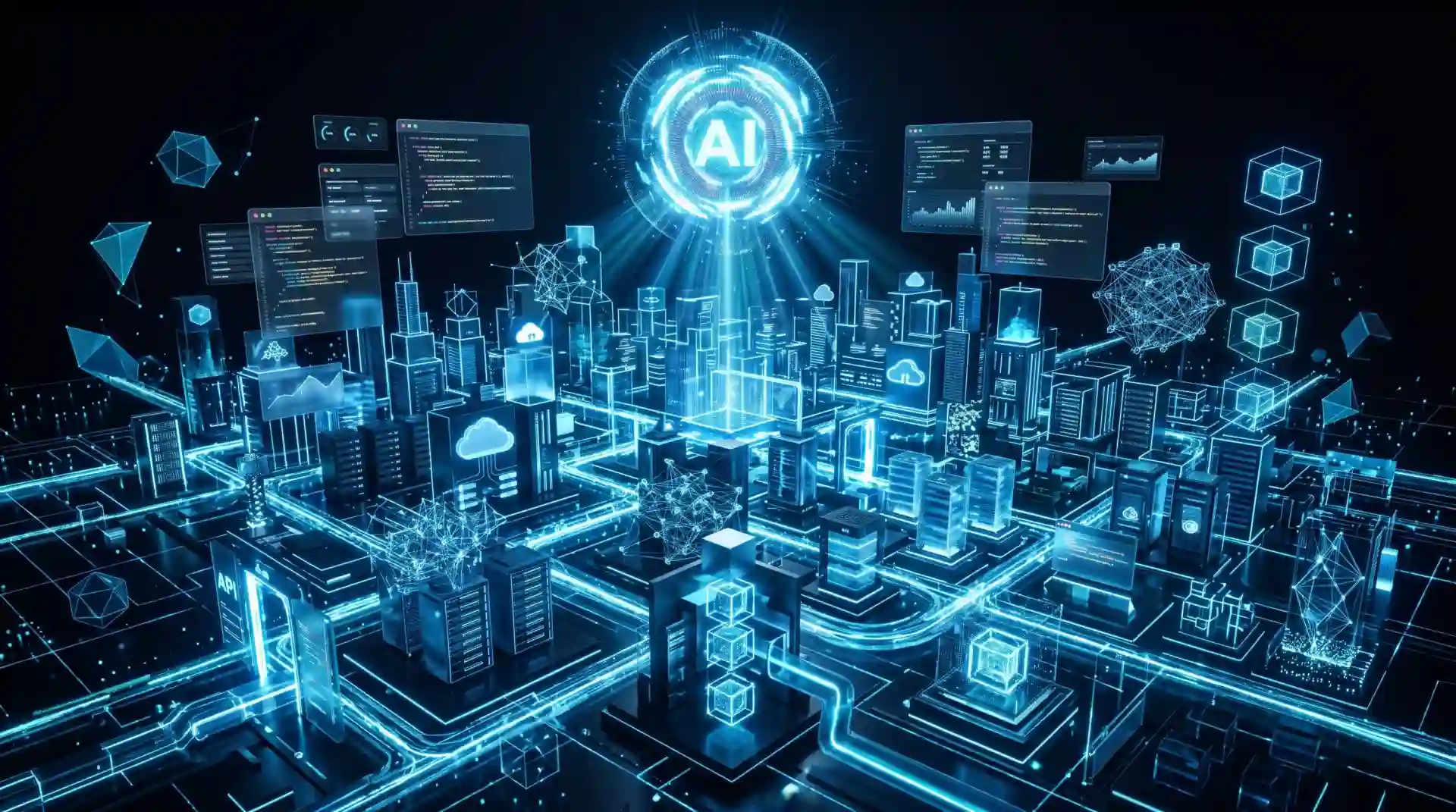
Unlike traditional interfaces, which remain static regardless of who is using them, Agentic UIs adapt dynamically to each user's needs.
These interfaces analyze information such as:
- User roles
- Previous interactions
- Current tasks
- Business priorities
- Usage patterns
Conclusion
Organizations implementing AI-powered platforms often experience:
- Faster business processes through intelligent automation.
- Improved customer satisfaction with personalized experiences.
- Better decision-making using predictive insights.
- Reduced operational costs by automating repetitive work.
- Increased employee productivity.
- Greater scalability for future growth.
As customer expectations continue to evolve, businesses that embrace AI-native development are better positioned to remain competitive in a rapidly changing digital landscape.
The future of software development is no longer defined solely by faster code or better interfaces. It is defined by intelligence.
AI-native architecture represents a significant shift in how applications are designed, enabling software to adapt, learn, automate, and provide more meaningful experiences for users.
Combined with modern development practices, it allows businesses to build digital solutions that are not only more efficient today but also prepared for the demands of tomorrow.
For organizations planning their next software project, adopting an AI-first mindset is becoming less of an advantage and more of a necessity.
Building intelligent applications today lays the foundation for greater innovation, improved customer experiences, and long-term business success in an increasingly AI-driven world.
Fillter
Latest News



_5.webp)


Comments