

17 Sep, 2026
Shopify vs WooCommerce vs Custom E-commerce
#SoftwareDevelopment
#DigitalInnovation
#CustomSoftware
#TechSolutions
Post By : Ocean Infotech
Published : 15-07-2026
The CRM & ERP Market Has Become More Competitive Than Ever
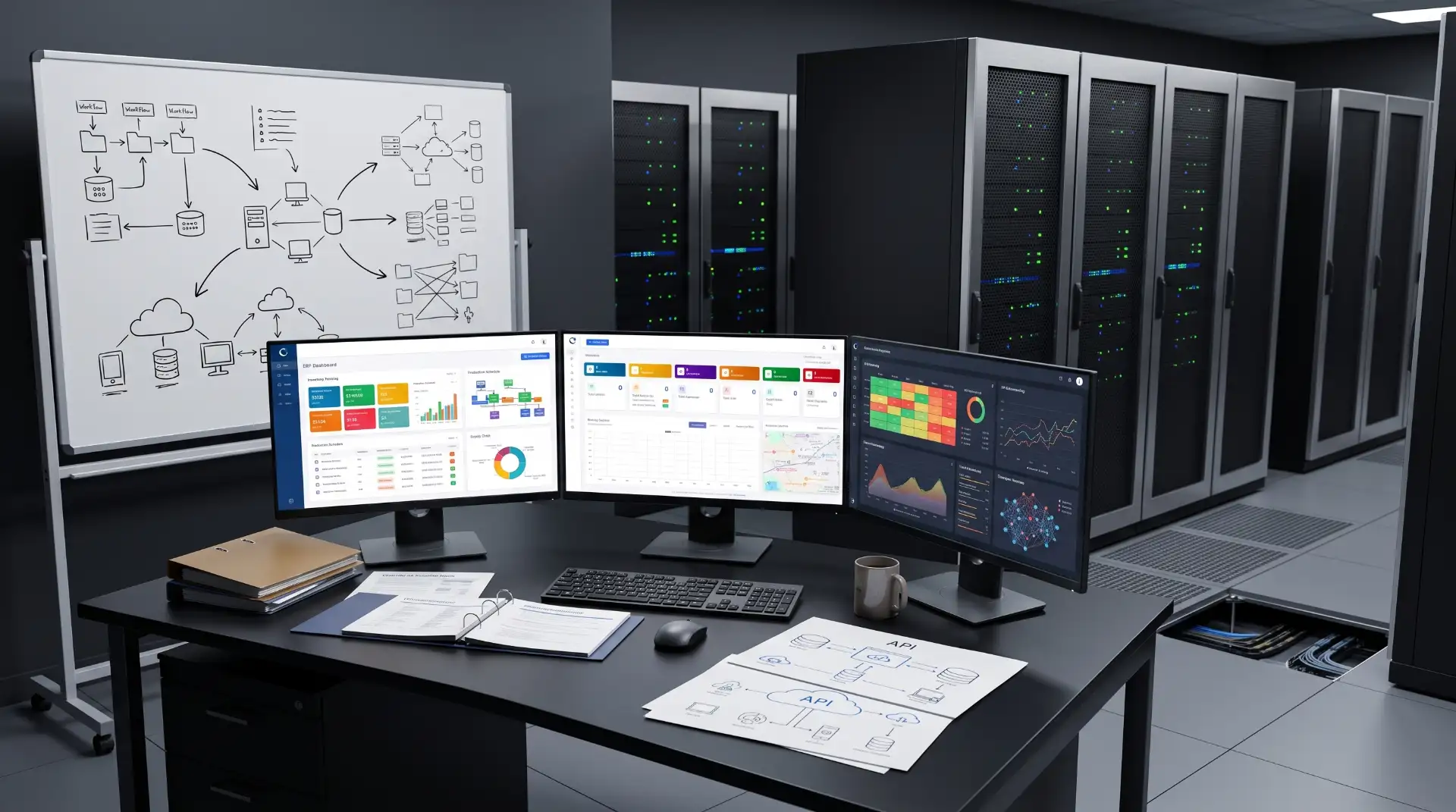
★ When businesses decide to invest in a custom CRM or ERP solution, they often assume that selecting the right software is the biggest challenge. In reality, the most critical decision is choosing the right software development partner who understands their business goals and can deliver a solution that creates long-term value.
The software development industry has expanded rapidly over the past decade, with thousands of companies offering CRM development, ERP systems, mobile applications, and enterprise software services. While this provides businesses with more choices, it also makes it increasingly difficult to identify partners who build strategic business solutions rather than simply developing software.
★ Interestingly, price is rarely the biggest deciding factor. Most organizations are willing to invest in high-quality software when it improves efficiency, automates operations, enhances customer experiences, and delivers measurable long-term returns. The real challenge lies in finding a development company with the right technical expertise, industry experience, transparent communication, and long-term commitment to project success.
This article explores why finding the right CRM and ERP development partner is more difficult than ever and highlights the key factors every business should evaluate before making this important investment.
Custom Software Is More Than Just Writing Code
★ An Overcrowded Software Development Market: Today, almost every software company claims to offer custom CRM and ERP development services. From freelancers and startups to established software firms, the market is crowded with providers promising rapid development, advanced features, competitive pricing, and tailored business solutions.
The Challenge for Businesses: With so many service providers offering similar promises, businesses often struggle to identify which company truly has the expertise to deliver a scalable, secure, and future-ready CRM or ERP solution. This abundance of options frequently leads to confusion during the selection process.
★ Beyond Sales Presentations: Two development companies may showcase nearly identical software demonstrations, yet the quality of architecture, system performance, security standards, scalability, code quality, and post-launch support can differ significantly. Choosing a development partner based only on attractive marketing presentations or the lowest price often results in higher long-term costs and project challenges.
Why Price Isn't Always the Biggest Factor
★ Successful Software Development Starts with Business Understanding: Many people believe software development is simply about writing code. In reality, building an effective CRM or ERP solution begins with understanding how a business operates before a single line of code is written.
A Professional Development Partner Takes Time to Understand:
✔ Business Workflows
✔ Department Operations
✔ Existing Business Challenges
✔ Future Growth Plans
✔ Integration Requirements
✔ Reporting & Analytics Needs
✔ Employee Roles & Responsibilities
✔ Complete Customer Journey
★ Business-First, Technology-Second: Without a deep understanding of business processes, even technically well-developed software may fail to solve real operational challenges. The objective is not simply to build software—it is to streamline workflows, improve efficiency, automate operations, and help businesses achieve sustainable growth.
Every Business Is Different
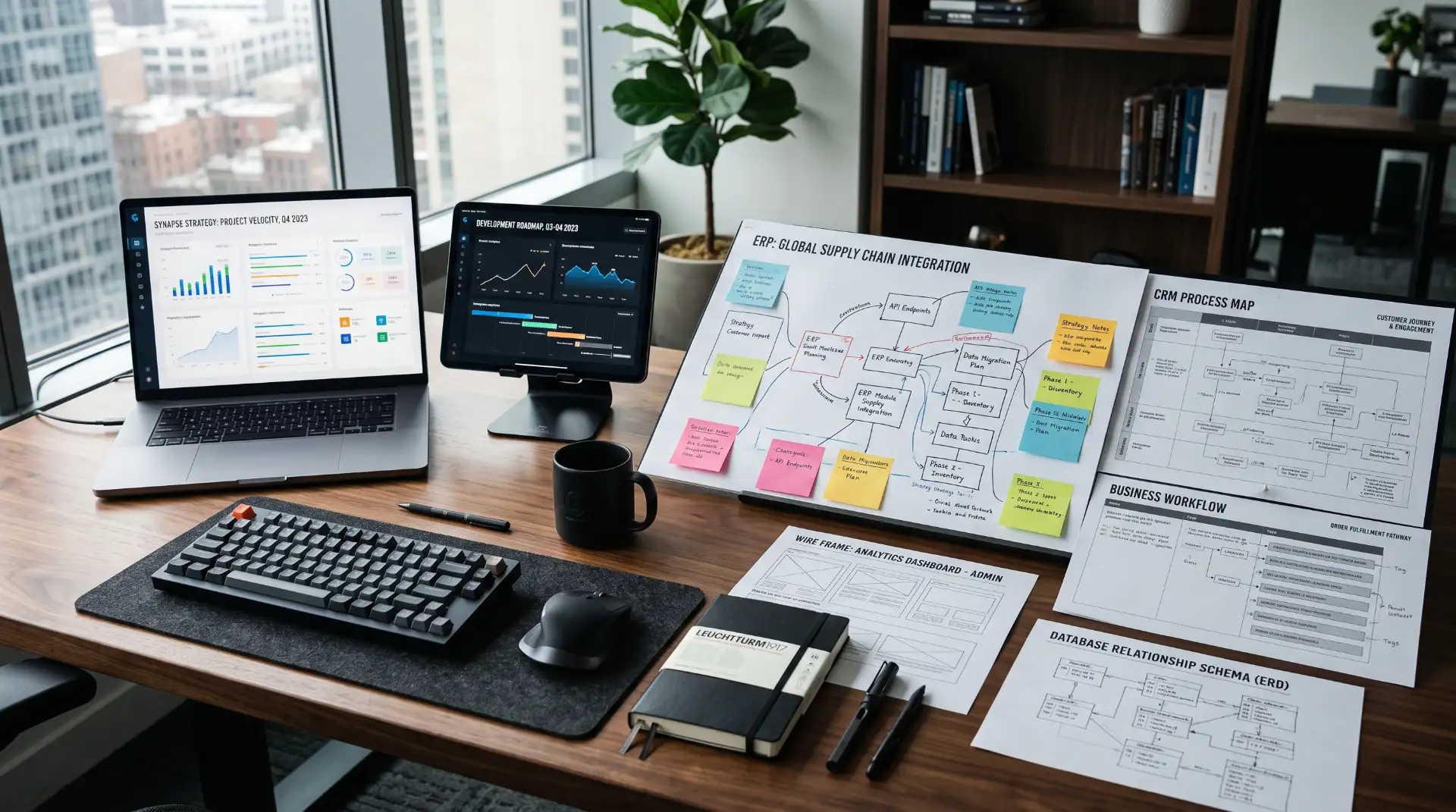
★ Looking Beyond the Initial Software Cost: Businesses often compare multiple CRM and ERP quotations before making a final decision. While budget is an important consideration, experienced decision-makers understand that enterprise software is a long-term investment rather than a one-time expense.
Hidden Costs of Low-Cost Software Solutions:
✔ Limited Scalability as the Business Grows
✔ Frequent Bugs and System Errors
✔ Slow Application Performance
✔ Poor User Experience and Lower Productivity
✔ Inadequate Technical Support and Maintenance
✔ Expensive Future Upgrades and Customizations
★ Focus on Long-Term Business Value: Professionally developed software may require a higher upfront investment, but it delivers greater reliability, improved efficiency, stronger security, and lower operational costs over time. Instead of asking "Which software costs less?", businesses should ask "Which software will create the greatest value for our organization over the next five years?"
The Importance of Industry Knowledge
★ Every Business Has Unique Requirements: One of the biggest misconceptions about CRM and ERP software is that a single solution can meet the needs of every organization. In reality, each business has its own workflows, operational processes, and business objectives, making customization essential for long-term success.
Different Industries Require Different Workflows:
✔ Manufacturing Companies: Production Planning, Inventory Management, Quality Control, Vendor & Supply Chain Management.
✔ Trading Businesses: Sales Management, Procurement, Warehouse Operations, Inventory Tracking, and Logistics.
✔ Service-Based Companies: Customer Relationship Management, Project Tracking, Invoicing, Support Tickets, and Service Delivery.
★ Customization Drives Digital Transformation: Although businesses across different industries may use CRM or ERP software, their day-to-day operations vary significantly. A customized solution aligned with specific business processes improves productivity, simplifies operations, and delivers greater long-term value than a generic, one-size-fits-all system.
Integration Is No Longer Optional
★ Business Understanding Matters as Much as Technical Expertise: Technical skills alone are not enough to build a successful CRM or ERP solution. An experienced software development company also takes the time to understand your business operations, workflows, and long-term objectives before recommending any features or technologies.
Key Questions an Experienced Development Partner Will Ask:
✔ How does your current sales process work?
✔ Where do delays or operational bottlenecks occur?
✔ Which tasks consume the most employee time?
✔ Which business reports are difficult to generate?
✔ Which departments require better collaboration?
✔ Which manual processes should be automated?
★ Building Solutions That Support Business Growth: These discovery conversations ensure that the final CRM or ERP solution aligns with real business goals, streamlines operations, improves collaboration, and eliminates inefficiencies—instead of simply digitizing outdated manual processes.
Long-Term Support Matters More Than Launch Day
★ Seamless Integration with Existing Business Systems: Modern businesses depend on multiple digital tools to manage their daily operations. A well-designed CRM or ERP solution should integrate smoothly with existing platforms, creating a connected ecosystem that improves efficiency and eliminates data silos.
Essential Business Integrations Include:
✔ Accounting Software
✔ Payment Gateways
✔ Email Platforms
✔ WhatsApp Business Integration
✔ SMS Services
✔ Inventory Management Systems
✔ E-commerce Platforms
✔ Third-Party APIs
★ One Connected Business Ecosystem: Poor integrations often result in duplicate work, inconsistent data, and disconnected business processes. A professionally developed CRM or ERP system connects every department, allowing information to flow automatically between systems, improving collaboration, reducing manual effort, and supporting faster, data-driven decision-making.
Trust Is Built Through Understanding
★ Long-Term Support Beyond Software Deployment: Launching a CRM or ERP solution is only the beginning of a business's digital transformation journey. As organizations grow and market demands evolve, enterprise software must continuously adapt to support new business requirements.
Business Needs Continue to Change:
✔ New Features and Functionalities Are Required
✔ Business Processes Continue to Evolve
✔ Government Rules and Compliance Requirements Change
✔ Customer Expectations and Market Trends Increase
✔ System Performance and Security Need Regular Improvements
★ Choose a Development Partner, Not Just a Vendor: A trusted software development company continues to enhance the platform through regular updates, proactive maintenance, performance optimization, security improvements, and dedicated technical support. Building a long-term partnership often delivers far greater business value than simply choosing a company that hands over a finished product and walks away.
What Businesses Should Look for in a CRM or ERP Development Partner
★ Building Trust Before Building Software: One of the biggest challenges businesses face when selecting a CRM or ERP development partner is trust. Unlike purchasing a physical product, software cannot be fully inspected or tested before it is developed, making confidence in the development team essential.
Businesses Need a Partner That Can:
✔ Understand the Company's Vision and Business Goals
✔ Maintain Clear and Transparent Communication
✔ Deliver Secure, Scalable, and High-Performance Software
✔ Provide Realistic Project Timelines and Milestones
✔ Recommend Solutions Based on Business Needs Rather Than Just Technical Features
★ Trust Leads to Successful Digital Transformation: Strong client relationships are built through honest communication, detailed project planning, consistent progress updates, and a genuine commitment to understanding business objectives. When trust is established, businesses gain a reliable technology partner—not just a software vendor.
Building Solutions That Create Long-Term Value
★ Questions to Ask Before Choosing a Software Development Partner: Selecting the right CRM or ERP development company requires more than comparing quotations. Asking the right questions can help you evaluate a company's technical expertise, industry knowledge, and long-term commitment to your business success.
Key Questions Every Business Should Ask:
✔ Do they understand your industry and business processes?
✔ Can they customize the software to match your unique workflow?
✔ Have they successfully developed similar CRM or ERP solutions?
✔ Do they provide long-term support, maintenance, and software updates?
✔ Can the solution scale as your business grows?
✔ Does the software integrate with your existing business systems?
✔ Are security, compliance, and data privacy included in the development process?
✔ Is the project roadmap transparent, well-planned, and properly documented?
★ Make an Informed Decision: The answers to these questions often reveal far more about a software development company's capabilities, professionalism, and reliability than pricing alone. Choosing the right technology partner can significantly influence the long-term success of your digital transformation journey.
★ Successful CRM & ERP Solutions Solve Real Business Problems: The most successful CRM and ERP implementations are not necessarily the ones with the largest budgets—they are the solutions designed around genuine business challenges. Software should be built to support business objectives, streamline operations, and deliver measurable long-term value.
A High-Quality CRM or ERP Solution Should:
✔ Simplify Daily Business Operations
✔ Reduce Manual Work and Repetitive Tasks
✔ Improve Team Collaboration and Communication
✔ Provide Accurate, Real-Time Business Insights
✔ Support Faster and Better Decision-Making
✔ Scale Efficiently as the Business Continues to Grow
★ Technology Combined with Business Expertise Creates Lasting Value: When software development teams combine strong technical expertise with a deep understanding of business operations, they create CRM and ERP platforms that become strategic business assets—not just another application. The right solution empowers organizations to operate more efficiently, adapt to change, and achieve sustainable growth.
Fillter
Latest News

_5.webp)


Comments